
The true complexity behind a premium perfume is crucial.
Creating a high-end perfume involves a very complex process that merges diverse scientific, creative and regulatory disciplines. In contemporary perfumery, the notion of a premium perfume goes beyond a pleasant olfactory composition and encompasses a strategy that integrates research, formulation, international legislation and financial viability. In this context, a specialized laboratory such as MS|CLINICS plays a key role in ensuring that every premium perfume development project harmonizes creativity, regulatory safety and corporate sustainability. The supposed myth of perfume as a simple creative act.
There is a widespread idea that defines perfume as the unique result of artistic creativity associated with the perfumer and their great talent. This romantic vision of perfumery masks the technical complexity inherent in every premium perfume creation project. In reality, the process of creating professional fragrances follows a methodical structure that intertwines chemical research, meticulous analysis of raw materials, rigorous regulatory evaluation and, of course, brand positioning strategies.
In modern perfumery, creativity is only one of the many facets of a complex process. The construction of an olfactory formula must align with international regulations, such as those of IFRA in perfumery. It must also address criteria of stability, dermal safety and, no less importantly, economic viability. In this context, firms such as MS|CLINICS design perfume development methods for brands, uniting art with science and strategy. The reality of professional fragrance development.
The development of premium perfumes relies on very clearly defined stages, beginning with creative conception and ending with mass production. Along this journey, cosmetic chemists, talented perfumers, sensory evaluators and experts in international regulations interact simultaneously. The main objective is to translate an olfactory concept into a technically executable formula suitable for stable manufacturing, safe use and economic viability.
At MS|CLINICS, the perspective of a professional perfumery laboratory makes it possible to approach each project from a holistic vision. The entity combines ingredient research, olfactory conceptualization and regulatory compliance to ensure that each fragrance meets market expectations as well as the technical standards of the cosmetic sector. Because the balance between art, regulation and economics determines the success of a perfume. The creation of a high-end fragrance requires finding a midpoint between three essential aspects. The first lies in olfactory creativity, which determines the sensory identity of the product. The second concerns regulatory compliance, which certifies the safety of the formula for the consumer. The third is economic feasibility, which allows the product to be commercialized competitively.
This balance represents one of the most prominent challenges in the field of premium perfume manufacturing. An innovative olfactory creation, although ambitious, could fail if it uses ingredients with prohibitive prices or subject to strict international regulations. In a similar way, a technically perfect composition could paradoxically lack the slightest sensory character due to the absence of a strong and well-defined creative concept. For this reason, due to the imperative need for balance, the role of a specialized perfumery laboratory such as MS|CLINICS focuses on the virtuous integration of these three elements, orchestrated within a unified and coherent development strategy.
The relevance of collaborating with a specialized laboratory such as MS|CLINICS
In today’s competitive landscape, brands aspiring to olfactory exclusivity must inevitably partner with competent technological allies capable of managing the entire complex process of high-end perfume development. MS|CLINICS emerges as a leading actor in the field of custom perfume creation thanks to a proposal that combines rigorous scientific research, a deep understanding of the market and proven experience in international regulation.
Through its meticulous methodology for fragrance development for brands, MS|CLINICS provides comprehensive support to each client, from the initial conception to the completion of the perfume production process. This method makes it possible to perfect both the olfactory quality of the product and its commercial viability within the competitive premium perfumery market.
Creativity as the initial spark in the universe of premium perfume. The perfume as a vehicle of expression and builder of brand identity. The fragrance functions as a sensory language capable of communicating values, identity and brand positioning. Within the development of premium perfumes, aroma becomes a strategic element that helps build the emotional universe of a brand. Companies use perfume as an extension of their corporate narrative, designing an olfactory experience that reinforces their identity in the market.
Within the process of creating perfumes for brands, the laboratory plays an essential role, translating a company’s concepts into a meaningful olfactory language. MS|CLINICS undertakes personalized perfumery projects in which the fragrance is conceived as an element that differentiates and reinforces the strategic positioning of the brand. The role of the creative concept in professional perfumery is unmatched.
The creative concept is the cornerstone of any premium perfume development project. This concept forms the foundation, outlining the emotional and sensory essence of the fragrance and carefully guiding the subsequent formulation. In complex professional perfumery, the creative concept emerges from multiple factors: the target audience, commercial positioning and the visual universe of the brand.
MS|CLINICS implements rigorous sensory research methodologies, transforming abstract ideas into tangible olfactory directions. This approach encourages the creation of perfumes that express a strong identity, particularly in the highly competitive premium perfumery market.
The olfactory brief is the document that translates the idea into a highly precise technical language.
During the development of premium fragrances, the olfactory brief becomes a crucial tool that enables inspiration to be converted into technical parameters defining every aspect. This document contains key information about the target audience, the projected positioning and the olfactory references that will guide the perfumer. Within the MS|CLINICS system, the olfactory brief serves as the foundation for the architecture of the perfume formula.
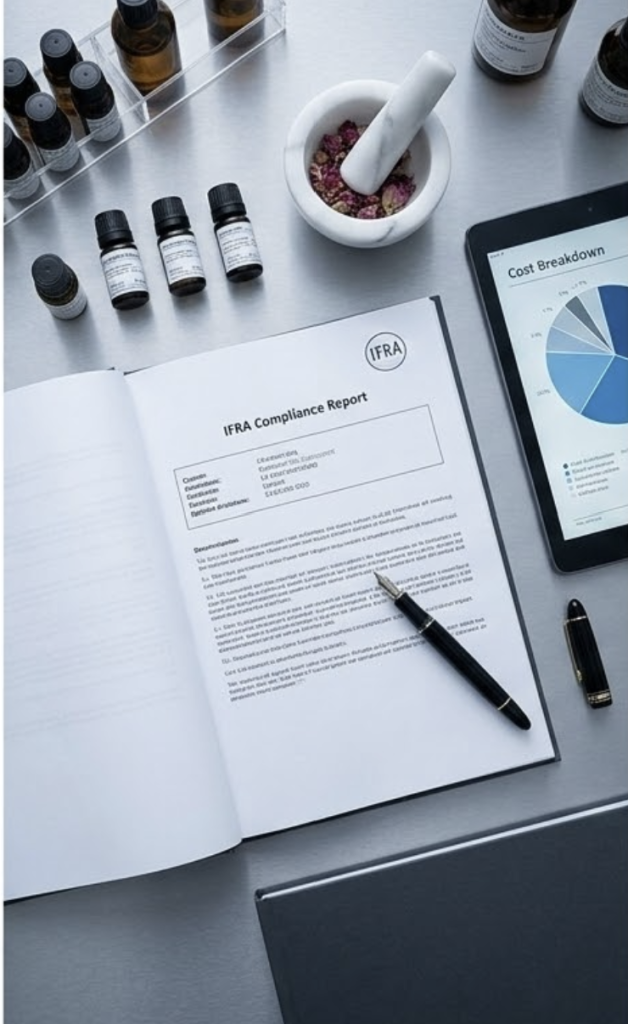
Through this documentation, the guiding principles that will determine ingredient selection and the structuring of the olfactory profile are formalized.
Strategic orientation and sensory sphere.
The exhaustive evaluation of the target audience is fundamental in the development of perfumes for brands. Age, lifestyle and the consumer’s cultural preferences exert a notable influence on the configuration of the fragrance. Likewise, the positioning of the product in the market defines elements such as olfactory intensity, ingredient selection and the overall identity of the perfume.
MS|CLINICS incorporates these variables into its strategy for the creation of high-end perfumes, ensuring that each fragrance fully corresponds to the expectations of the final consumer. Construction of the main accord.
In perfumery, the term accord refers to the combination of various raw materials that produce a unified olfactory sensation. The construction of the accord represents an essential phase in the development of luxury perfumes, as it defines the dominant essence of the fragrance. Expert perfumers, like magicians of aromatic chemistry, draw upon deep knowledge to orchestrate the symphony of a perfume. MS|CLINICS, with its formulation expertise, succeeds in constructing sophisticated accords, giving them a harmonious evolution on the skin.
Understanding the relationship between top, heart and base notes. The structure of a perfume, classic and timeless, appears in three olfactory levels. Top notes, the fleeting first impression, shine due to their volatility. Heart notes, the very soul of the perfume, establish its unmistakable identity. Base notes, pillars of the composition, provide depth and longevity.
In the intricate process of formulating premium perfumes, the laboratory must ensure balanced integration among these three dimensions. MS|CLINICS designs olfactory creations that delight through a progressive and harmonious evolution. Standing out in the premium market.
The current landscape of perfumery appears as a fierce battlefield, with intense competition and product saturation overwhelming the market.
In this context, the creation of high-end perfumes requires a clearly defined distinctive strategy based on olfactory novelty and excellence of ingredients.
MS|CLINICS focuses on the conception of exclusive fragrances designed for brands eager to stand out in the luxury perfumery landscape. The company combines scientific ingenuity with deep market understanding, achieving aromas capable of building an unmistakable olfactory identity.
IFRA regulation: the foundation that defines contemporary perfumery
What is IFRA and what is its fundamental importance in perfumery?
The International Fragrance Association acts as the principal regulatory entity responsible for establishing safety standards governing the use of aromatic ingredients in cosmetic products. IFRA guidelines in perfumery are based on meticulous scientific evaluations whose primary objective is safeguarding consumer health.
During the creative process of premium perfumes, compliance with these regulations is essential to ensure global commercialization of the product. MS|CLINICS incorporates adherence to IFRA regulations in perfumery as a fundamental pillar within its working methodology.
What IFRA regulates
IFRA guidelines impose specific thresholds concerning the use of certain aromatic raw materials that may involve risks related to skin sensitization or toxicity. These limitations directly affect the process of perfume creation, forcing perfumers to adapt their compositions to current regulatory directives.
Its influence on fragrance safety
Compliance with IFRA safety standards in perfumery helps ensure the safety of perfumes for daily use. Within the context of high-end perfume design, this regulatory framework ensures that olfactory creativity operates under strict scientific parameters.
Restrictions on raw materials in perfumery
Advances in toxicological research have led to the restriction or limitation of certain raw materials historically used in perfumery. These actions are part of the scientific evolution of the industry aimed at reducing risks of dermal sensitization. Toxicological and dermatological reasons.
The limitations imposed by IFRA are based on scientific studies examining how aromatic components interact with human skin. Safety evaluation therefore becomes a crucial factor in the process of creating safe fragrances. Reformulation under regulatory rules.
Adapting formulas to regulations requires considerable technical ingenuity. Perfumers must develop alternative solutions that preserve the olfactory identity of the fragrance while respecting IFRA restrictions in perfumery.
Synthetic and natural options. The invention of new aromatic molecules has opened a world of creative possibilities within the legal framework. These innovations support the design of complex fragrances compliant with global safety regulations.
Certifications and legal compliance. The commercialization of a perfume requires the preparation of various technical documents verifying product safety. These documents include toxicological evaluation reports, IFRA compliance certificates and cosmetic product files.
Product safety assessment. A safety evaluation is essential in the development of high-end perfumes. This process examines the chemical formula to ensure safe consumer use. Selection of raw materials with olfactory luxury and technical judgment.
The selection of raw materials strongly influences the final quality of a perfume. In the development of premium perfumes, ingredients are selected for their olfactory qualities and also for technical parameters such as stability and global regulatory compliance. Natural raw materials vs. synthetic molecules. Natural raw materials such as essential oils and plant absolutes add sensory richness to the olfactory composition. However, synthetic molecules expand creative possibilities and provide greater stability to the formula.
Impact on the olfactory profile.
A balanced combination of natural and synthetic ingredients enables the creation of complex and persistent fragrances. MS|CLINICS applies rigorous scientific standards in the selection of raw materials in order to refine the olfactory profile of its fragrances. Emblematic components of fine perfumery. In the world of fine perfumery we find celebrated ingredients admired for their strength and aromatic complexity. These include floral absolutes, balsamic resins and certain aromatic molecules of exceptional quality.
Traceability and quality of ingredients.
Traceability of essential components is fundamental in the creation of high-end perfumes. Monitoring the origin of raw materials allows quality to be ensured and the consistency of the formula to be maintained over time.
Sustainability and emerging market trends. Today the perfumery sector faces growing demand for sustainable practices and environmental awareness. This has accelerated research into renewable ingredients and the development of biotechnological technologies within perfumery.
From concept to prototype: the initial phase. First formulations in the laboratory.
The initial stage of luxury perfume creation focuses on the elaboration of the first olfactory studies in the laboratory. These prototypes enable exploration of several interpretations of the creative concept defined at the beginning of the project.
Initial technical evaluation
In this initial phase, experts examine the robustness of the formula, how the raw materials interact and the olfactory transformation of the fragrance. This analysis allows potential adjustments to be identified before moving to the next stages.
Sensory evaluation and adjustments
The sensory evaluation process involves analyzing how the perfume evolves, whether on blotter paper or on the skin. These tests allow assessment of the intensity, duration and harmony of the olfactory composition.
Formula iterations
The development of premium fragrances involves multiple adjustments to the formula until achieving the perfect balance between originality, stability and regulatory compliance. In this process, the laboratory plays a primary role, acting as the link between the creative idea and the technical requirements of the project. Stability and performance of the perfume.
The solidity of the formula is extremely important in the development of high-quality perfumes. Experts examine the interaction of the aromatic concentrate with alcohol and other elements in the formulation. This is essential to ensure that the perfume maintains its qualities over time.
Evolution on skin and blotter
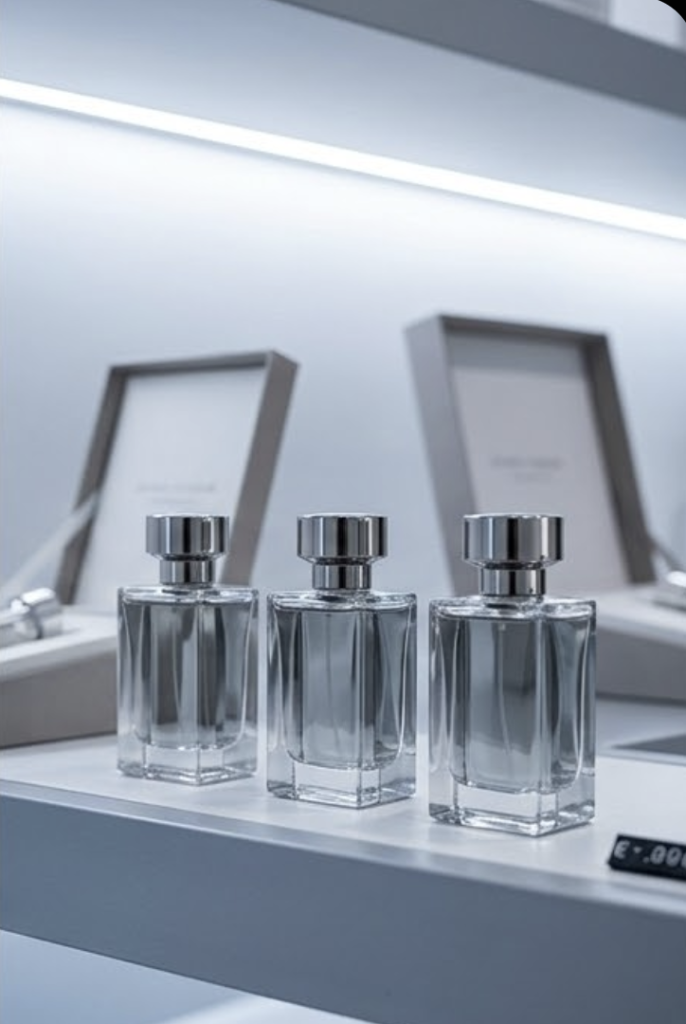
Evaluating the behavior of the perfume on different materials makes it possible to understand its true olfactory transformation. This stage is essential to ensure that the fragrance provides a consistent sensory experience to the user.
The importance of the laboratory in decision-making
Throughout the entire process of creating high-end perfumes, the laboratory acts as a technical and strategic center of knowledge. MSCLINICS combines scientific research with olfactory creativity and regulatory compliance to ensure that each project reaches the quality standards required by modern perfumery. The creation of high-end perfumes requires balance: creativity in scent, regulatory compliance and profitability. Many factors influence whether a fragrance succeeds, from the ingredients used to create it to the way it is marketed and presented. The price of the composition is mainly determined by ingredient cost and fragrance concentration, and of course distribution channels influence pricing as well. Producing perfume at scale without losing quality also contributes to profitability.
Within this context, packaging, fragrance intensity and brand storytelling are crucial for the consumer. Bottle design, the story behind the perfume and the coherence between scent and presentation help the product position itself successfully in the world of fine perfumery.
Furthermore, before reaching stores, fragrances undergo sensory testing, industrial testing and strict quality control, ensuring their stability and consumer acceptance.
The launch itself requires a carefully planned distribution and advertising strategy that is essential to establish the perfume in the market. For this purpose, olfactory marketing and positioning help highlight the aroma and differentiate it from competitors. A consistent perfume narrative helps connect emotionally with consumers and adds distinctive value, especially within the premium segment.
Thus, the creation of premium perfumes requires a strategy that considers the market and consumer expectations. Olfactory research, preference analysis and adaptation to international regulations together define modern perfumery.
The fundamental role of a specialized laboratory is crucial within this dynamic. Companies such as MS|PARFUMS guide brands throughout the entire journey of the project, from the ideation of the fragrance itself to its manufacturing and distribution. Through its holistic approach to creating high-quality perfumes — encompassing innovative design, compliance with global regulations and economic optimization — MS|PARFUMS enables brands to launch impactful perfumes aligned with current market trends. In this way, professional perfumery positions itself as a multidisciplinary field that combines art, science and business strategy for the formulation of high-value fragrances, particularly in the premium sector.