In a market saturated with products and visual messages, the sense of smell emerges as a powerful tool to build an authentic, emotional, and lasting brand identity. This strategy, known as scent branding, is based on using customized fragrances as a differentiating element—not only in cosmetics or perfumery, but also in retail, hospitality, healthcare, automotive, and more.
Scent branding represents a silent revolution in modern marketing. While brands fiercely compete to capture consumers’ visual and auditory attention, few have discovered the transformative power of olfactory marketing as a strategic positioning tool. This discipline goes far beyond creating pleasant environments; it’s about building a sensory architecture that reinforces every touchpoint between the brand and its customers.
For entrepreneurs and emerging brands looking to create their own fragrances for commercial purposes, understanding the fundamentals of scent branding can mean the difference between going unnoticed and creating a deep emotional connection with consumers.
What Is Scent Branding and Why Is It So Effective?
Scent branding (or olfactory branding) involves associating a brand with an exclusive fragrance that represents its values, style, and experience promise. It’s not just about adding fragrance to a space, but about building a coherent sensory identity across all brand touchpoints.
The Science Behind the Power of Scent
Consumer neuroscience studies show that smell is the sense most closely linked to emotional memory. A scent can:
- Trigger memories
- Build trust
- Increase dwell time
- Influence purchase intent
75% of emotions are generated through smell, and brands that strategically integrate scent achieve greater loyalty and differentiation.
The direct connection between the olfactory system and the brain’s limbic system, responsible for emotions and memory, explains why scents generate instant and lasting responses.
Relevant Scientific Data:
- Pleasant fragrances can increase positive product evaluations by up to 40%
- People recall a scent with 65% accuracy after one year (vs. 50% for visuals after three months)
- Olfactory processing is 10,000 times more sensitive than other senses
- Scents influence purchasing decisions in up to 84% of cases.
The Strategic Scent Branding Model
Effective scent branding operates on multiple levels:
Conscious Level
- Create pleasant environments
- Enhance user experience
- Generate positive brand associations
Subconscious Level
- Activate emotional responses
- Influence behavior and perception
- Build brand loyalty
Mnemonic Level
- Establish olfactory markers
- Facilitate brand recall and recognition
Strategic Outcomes
When applied professionally, scent branding helps to:
- Create memorable atmospheres in commercial spaces
- Convey brand values (luxury, freshness, innovation, etc.)
- Increase perceived value
- Differentiate through sensory experience
- Extend time spent in branded environments
- Build emotional associations that last

The Difference Between Fragrancing and Scent Branding
It’s critical to distinguish:
Basic Fragrancing
- Generic scents
- Pleasant ambiance
- No strategic link to brand identity
Strategic Scent Branding
- Exclusive fragrances
- Designed to reinforce brand values
- Aligned with brand strategy and goals
Scent branding requires a comprehensive approach that integrates psychology, identity, and technical execution. At MS PARFUMS, each project is tailored and aligned with the brand’s vision.
Success Stories in Key Sectors
Retail Sector: Transforming the Shopping Experience
- Abercrombie & Fitch: “Fierce” fragrance defines store identity and extends to product line.
- Zara Home: Ambient scents reflect “accessible luxury.”
- Nike: Energizing scents amplify the athletic experience.
- Apple Store: Subtle scent of cedar and aluminum reinforces tech minimalism.
Hospitality: Creating Luxury Memories
- Westin Hotels: “White Tea” scent available in candles and products.
- Le Méridien: Fragrances inspired by each hotel’s location.
- W Hotels: Bold, local variations of a corporate fragrance.
- Ritz-Carlton: Elegant scents reinforce brand prestige.
Automotive Sector: Luxury in Motion
- Rolls–Royce: The ultra-luxury brand incorporates exclusive fragrances into the climate control systems of its vehicles. Each model can have its own signature scent, reinforcing the exclusivity and personalization that define the brand.
- BMW: With its “BMW Collection” fragrance line, the German brand has developed scents that evoke performance, elegance, and technology. These fragrances are used both in dealerships and at corporate events.
- Mercedes–Benz: The brand uses sophisticated fragrances in its showrooms and high-end vehicles, reinforcing its “luxury performance” positioning. The scents combine notes of premium leather, fine wood, and spices.
- Cadillac: In the U.S. market, Cadillac uses fragrances that evoke “American luxury,” blending tradition and modernity to strengthen its revival as a contemporary luxury brand.
Health and Wellness: Strategic Aromatherapy
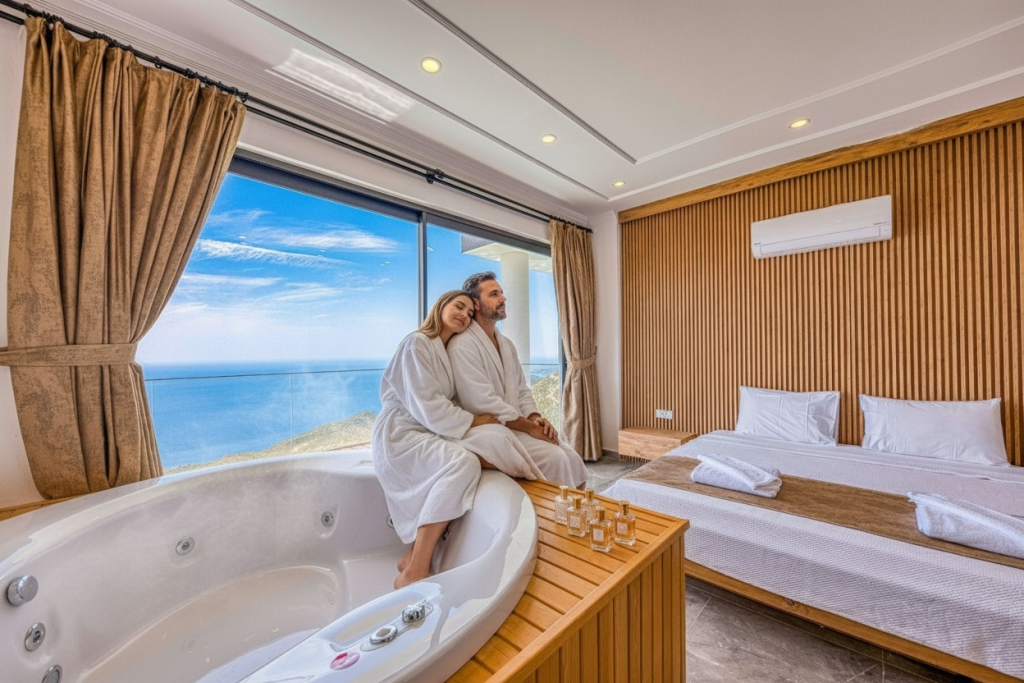
- Aesthetic Clinics: Use relaxing fragrances to reduce anxiety and build positive treatment associations.
- Luxury Spas: Brands like Mandarin Oriental and Four Seasons use signature scents to enhance wellness experiences.
- Dental Centers: Introduce gentle, relaxing aromas to counter clinical odors.
- Private Hospitals: Employ subtle scents in rooms and waiting areas to ease stress.
These examples show that olfactory branding extends far beyond perfumery. With professional guidance, any brand can develop its own fragrance identity.
How to Create a Corporate Fragrance with MS Parfums
The development process of a corporate fragrance must adhere to the same standards of quality, safety, and design as a high-end perfume. At MS Parfums, a laboratory specialized in OEM and private label perfumes, we guide our clients through every step of creating their corporate olfactory identity.
Phase 1: Conceptual and Strategic Definition
- Brand Analysis
- Olfactory Research
- Creative Brief
- Sensory Benchmarking
Phase 2: Olfactory Development and Formulation
- Concept Creation: 3–5 directions
- Technical Formulation: High-quality, IFRA-compliant ingredients
- Creative Iteration
- Olfactory Validation: Consumer testing
Phase 3: Technical Testing and Optimization
- Stability Testing
- Material Compatibility
- Performance Testing
- Concentration Optimization
Phase 4: Production and Industrial Scaling
- Formula Scale-Up
- Quality Control
- Regulatory Documentation
- Certifications
Phase 5: Packaging and Application Systems
Through our MS CREA service, we design packaging, labels, applicators, and diffusers aligned with the client’s visual identity. Every detail contributes to a multisensory experience.
Packaging Design: Development of packaging solutions that protect the fragrance and reinforce brand identity.
Diffusion Systems: Selection and customization of appropriate diffusion technologies for each application (nebulization, air diffusion, manual applicators, etc.).
Graphic Materials: Creation of visual elements that accompany the fragrance and facilitate its implementation across different contexts.
User Manuals: Development of technical guides for the correct implementation and maintenance of aromatic systems.
Psychology of Scent Marketing: Connecting at the Subconscious Level
Neurological Foundations of Scent Marketing
Direct Emotional Processing: Unlike other sensory stimuli, odors access the limbic system directly without passing through the cerebral cortex, eliciting immediate and authentic emotional responses.
Formation of Episodic Memories: Scents are deeply integrated into our autobiographical memories, creating lasting associations between specific experiences and particular fragrances.
Activation of the Reward System: Pleasant fragrances can trigger the release of dopamine and serotonin, neurotransmitters associated with pleasure and well-being.
Influence on Temporal Perception: Scents can alter our subjective perception of time, making experiences feel longer or shorter.
Specific Psychological Applications
Anxiety Reduction: Scents with notes of lavender, bergamot, or cedar can significantly lower cortisol levels and create feelings of calm.
Cognitive Stimulation: Aromas such as mint, rosemary, or citrus can enhance focus, memory, and mental performance.
Induction of Aspirational States: Fragrances associated with luxury, sophistication, or success can influence consumers’ self-perception and behavior.
Creation of Thematic Environments: Specific scents can psychologically transport consumers to different places, times, or situations.
Psychological Strategies for Different Sectors
Retail: Use fragrances that reduce perceived waiting times, encourage product exploration, and trigger impulse purchases.
Hospitality: Scents that promote relaxation, enhance the perception of cleanliness, and create feelings of warmth and comfort.
Healthcare: Fragrances that reduce anxiety, improve perceptions of professional competence, and counteract odors associated with medical procedures.
Corporate: Scents that reinforce brand values, enhance the workplace atmosphere, and create positive associations for both visitors and employees.
By working with specialized perfume manufacturers like MS Parfums, psychological insights can be translated into effective fragrances—relaxing, stimulating, safe, memorable, and aligned with each brand’s positioning.
OEM vs. Private Label: Which Model Suits Your Olfactory Project?
OEM Perfume Model: Maximum Customization and Exclusivity
Development from Scratch: Fully customized solutions starting from a specific brief, resulting in unique fragrances developed exclusively for your brand.
Comprehensive Support: Includes strategic consulting, olfactory development, technical formulation, testing, production, regulatory documentation, and post-launch support.
Intellectual Property: The developed formula is the client’s exclusive property, ensuring absolute differentiation and competitive protection.
Total Flexibility: Ability to adjust every aspect of the fragrance—intensity, longevity, format, packaging, and delivery system.
Advantages of the OEM Model:
Absolute Competitive Differentiation
Perfect Alignment with Brand Identity
Flexibility for Future Modifications
Full Control Over the Supply Chain
Possibility for Line Extensions
Ideal for: Brands seeking maximum differentiation, with the budget for development investment, planning long-term use, and requiring total exclusivity.
Private Label Perfume Model: Efficiency and Fast Implementation
Pre-Existing Bases: Adaptation of already developed and tested formulas, with customization options for intensity, packaging, and naming.
Reduced Development Time: Faster processes allow implementation in shorter timelines, ideal for urgent launches or pilot tests.
Lower Initial Investment: Development costs are significantly reduced by leveraging pre-existing formulas.
Minimized Technical Risk: Use of proven formulas ensures technical performance and market acceptance.
Advantages of the Private Label Model:
-
Fast and efficient implementation
-
Controlled initial investment
-
Minimized technical risk
-
Possibility to test before larger investments
-
Access to proven professional formulas
Ideal for: Brands seeking quick market entry, with limited development budgets, needing concept testing, or planning temporary implementations.
Hybrid Model: OEM + Private Label
At MS Parfums, we also offer a hybrid model that combines the advantages of both approaches:
Customization on Existing Bases: Development of significant variations on base formulas, allowing considerable differentiation with optimized time and cost.
Progressive Scalability: The possibility to start with private label and evolve toward full OEM development based on results and growth.
Strategic Testing: Use of private label to validate olfactory concepts before investing in full OEM development.
At MS Parfums, we provide both models, tailoring the strategy to the client’s budget, sales channel, and desired brand visibility. As perfume suppliers, we offer technical guidance, sensory design, and quality assurance at every stage.
Key Decision Factors
Available Budget: OEM requires a higher initial investment but offers better long-term returns; Private Label minimizes financial risk.
Project Timeline: Private Label allows implementation in 4–6 weeks; OEM requires 12–16 weeks for full development.
Required Level of Differentiation: OEM ensures absolute exclusivity; Private Label provides limited differentiation.
Production Volumes: OEM is more efficient for high volumes and continuous use; Private Label is ideal for trials and lower volumes.
Long-Term Brand Strategy: OEM builds intellectual property assets; Private Label offers flexibility for changes.
Technical Implementation and Operational Considerations
Aromatic Diffusion Systems
Ultrasonic Nebulization: Premium technology that disperses fragrances without heat, preserving molecular integrity and ensuring even distribution.
HVAC Air Diffusion: Integration with climate control systems for full coverage of large spaces in an invisible and efficient manner.
Standalone Diffusers: Independent units ideal for specific areas, offering precise control over intensity and scheduling.
Textile Application: Infusion of fragrances into textiles, carpets, and upholstery for long-lasting ambient effects.
Maintenance Considerations
Intelligent Scheduling: Automated systems that adjust fragrance intensity based on schedules, occupancy, and environmental conditions.
Performance Monitoring: Continuous tracking of olfactory effectiveness with adjustments based on user feedback.
Scheduled Replenishment: Continuous supply systems that ensure constant fragrance availability.
Cleaning and Sanitization: Maintenance protocols that preserve fragrance quality and meet hygiene standards.
Effectiveness Measurement
Quantitative Metrics: Dwell time, visit frequency, sales volume, customer satisfaction.
Qualitative Evaluation: Brand perception studies, emotional associations, spontaneous and assisted recall.
A/B Testing: Comparing performance between spaces with and without scent branding to measure real impact.
Scent Branding ROI: Calculating return on investment considering implementation, maintenance, and commercial results.
Future Trends in Scent Branding
Advanced Personalization
-
Adaptive Fragrances: Development of scents that automatically adjust based on variables such as temperature, humidity, time of day, or user profile.
-
Olfactory Segmentation: Creation of multiple variations of a corporate fragrance for different targets, locations, or moments.
-
AI in Fragrance Development: Use of artificial intelligence to optimize formulas in real time according to feedback and behavioral patterns.
Sustainability and Responsibility
-
Biotech Ingredients: Development of aromatic molecules through biotechnology, reducing environmental impact and ensuring consistency.
-
Eco-Friendly Packaging: Fully recyclable and biodegradable diffusion systems and packaging.
-
Full Traceability: Comprehensive documentation of the origin and process of every ingredient used.
Digital Integration
-
Control Apps: Mobile applications enabling users and managers to control intensity, scheduling, and fragrance selection.
-
Aromatic IoT: Integration with Internet of Things systems for smart automation and data collection.
-
Olfactory Augmented Reality: Emerging technologies that combine visual and aromatic experiences for immersive branding.
Conclusion: Aroma as an Invisible Brand Signature
Scent branding represents one of the most powerful and underutilized strategies in modern marketing. It not only positions a brand in the consumer’s mind but also connects emotionally, enhances experience, and leaves a lasting imprint on memory.
In a world where visual differentiation is increasingly difficult and costly, the olfactory domain offers unique opportunities for creating sustainable competitive advantages. Brands that adopt scent branding strategically and professionally gain access to a direct channel to the consumer’s subconscious, generating engagement and loyalty that transcend rational decision-making.
Successful implementation of scent branding requires technical expertise, deep psychological understanding, and industrial execution capability. It is not just about choosing a pleasant fragrance but developing an olfactory identity that strategically reinforces brand objectives and delivers measurable commercial results.
At MS Parfums, an expert laboratory in creating custom perfumes, we help companies across sectors transform their essence into aroma. Whether under an OEM model as a perfume factory or through a private label solution, we turn ideas into fragrances that generate real and lasting brand value.
Our comprehensive approach covers all critical aspects of scent branding: from initial strategy to technical implementation, olfactory development, industrial production, and post-launch support. With a minimum production capacity of 1,000 units and certifications guaranteeing quality and regulatory compliance, we provide clients with the tools needed to compete successfully in the sensory domain.
The future of branding belongs to companies that understand the consumer experience is multisensory. Brands that integrate scent branding as a central element of their strategy will gain significant and lasting competitive advantages.
If you want to incorporate an exclusive aroma into your branding strategy, contact us. We help you build a professional, scalable, and memorable olfactory identity that transforms the way your customers perceive and remember your brand.
MS Parfums – Create your own olfactory signature with a custom perfume laboratory.
Ready for your brand to have its own olfactory signature? At MS Parfums, we transform brand strategies into memorable aromatic experiences. Contact our team and discover how scent branding can revolutionize your connection with customers.